

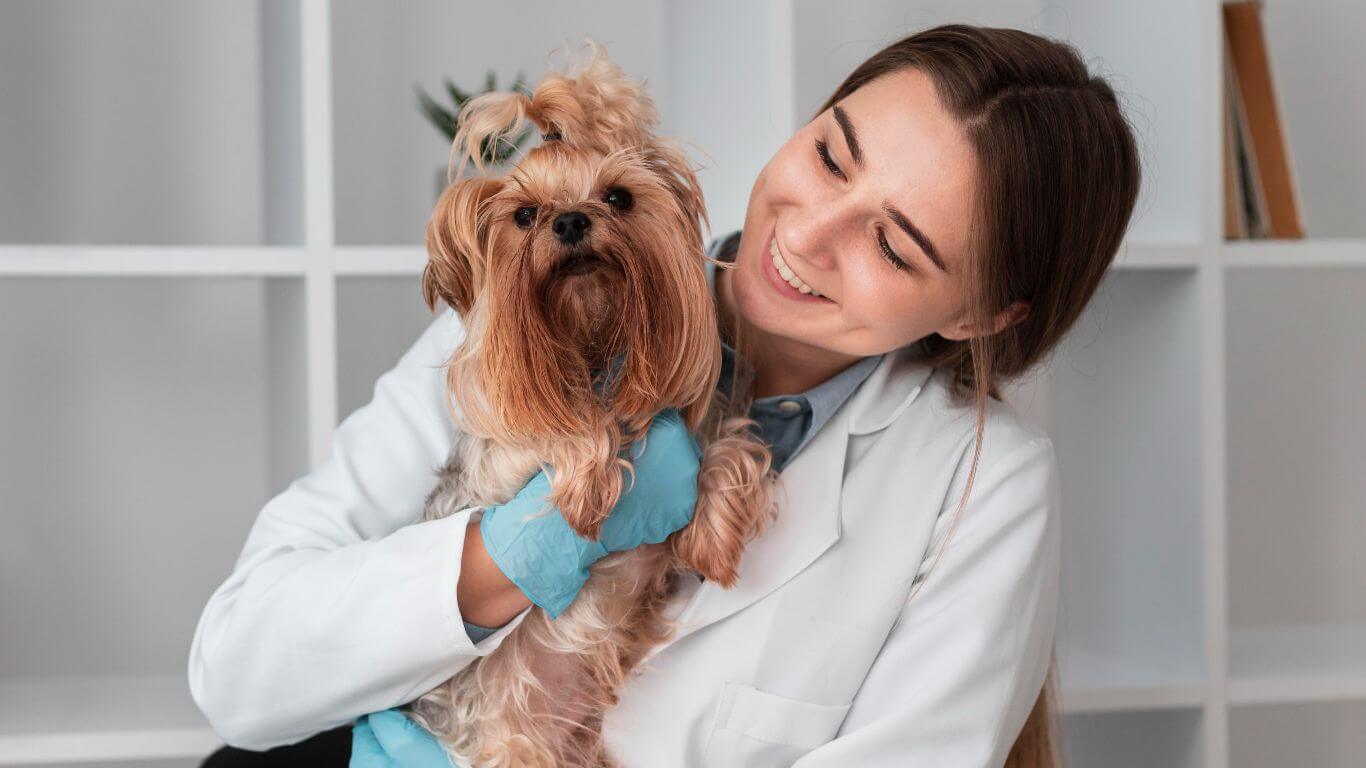
Many people assume you need a degree or professional qualification to work with animals, but that isn’t always the case. Many animal-related careers don’t require a degree. With the right training and experience, you can work directly with animals and build a rewarding profession.
This guide looks at jobs that work with animals without a degree, the importance of animal welfare, and practical steps to get started.
Key points:
- Explore different jobs to do with animals that don’t require a degree.
- Learn what qualifications you might need for each role.
- Discover jobs helping animals in shelters, homes, and the wild.
- Find out how to get into working with animals through courses or volunteering.
- See career progression and salary examples for inspiration.
Jobs To Do With Animals – No Degree Needed
There are many jobs to do with animals that don’t require a university degree. These roles vary from working with pets to supporting wildlife in conservation projects. Some positions need short courses or on-the-job training, while others only require enthusiasm and commitment.
If you’re asking yourself “How can I work with animals?”, the first step is to understand the variety of options available. Whether you’re looking for jobs helping animals at a local shelter or want to turn dog walking into a business, there are many entry points.
Importance of Animal Welfare
Before delving into specific jobs, it’s essential to understand why animal welfare is important. In the UK, animal care is guided by legislation such as the Animal Welfare Act 2006, which ensures animals are treated with respect, given the right environment, and protected from harm.
The RSPCA reports that thousands of cases of neglect and cruelty are investigated each year, showing just how vital it is to have caring professionals working in this field. By choosing careers working with animals, you are also supporting broader welfare goals and helping to raise standards of care.
Dog Walking
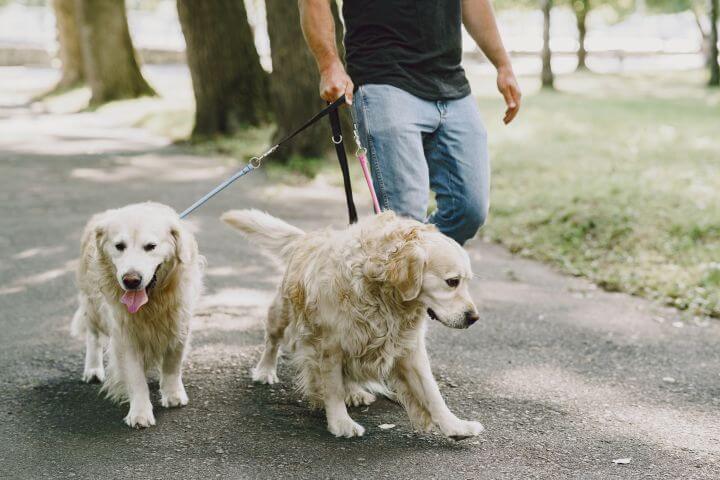
Dog walking is one of the most flexible jobs in looking after animals and a great way to start working with pets. You don’t need formal qualifications, but you do need reliability, patience, and a love for dogs.
- Average salary: £10–£15 per hour (varies by area and number of dogs walked at once).
- Typical tasks: Collecting dogs from their homes, walking them safely on or off lead, cleaning muddy paws before returning them, and updating owners on their pets’ behaviour.
- Progression: Start by offering walks locally for neighbours or friends, then build up a business offering regular walks, boarding, or even branching into pet sitting and basic training.
- Qualifications: None are required, but basic online animal care courses, first aid for dogs, and insurance can make you stand out.
Many people wonder how to get into working with animals – starting with dog walking is one of the easiest routes. For tips, see our guide on how to start a dog walking business.
Dog Grooming

Dog grooming combines creativity with hands-on animal care. Groomers don’t just style coats, they play a role in maintaining a dog’s health by checking skin, ears, and nails, keeping them healthy and comfortable.
- Average salary: £16,000 to £25,000, with potential to earn significantly more if you become self-employed.
- Typical tasks: Washing, brushing, trimming, nail clipping, styling coats, and spotting early signs of health issues.
- Progression: Start as an assistant in a salon, then progress to opening your own business, running a mobile grooming van, or specialising in show dogs.
- Qualifications: An online dog grooming course or an apprenticeship is widely available. Some employers prefer hands-on certificates or Level 2–3 Animal Care Diplomas.
As a dog groomer, you can be self-employed, work with clients daily, and build long-term relationships with their pets as many dogs visit every 6 to 8 weeks. This repeat business makes it a reliable income source.
Work Experience and Student Placements
If you’re unsure where to start, student placements are excellent ways to gain insight. Many zoos, farms, and animal charities offer work experience opportunities.
- Roles include: Feeding animals, preparing food, cleaning enclosures, shadowing staff, and learning about animal welfare.
- Salary: Typically unpaid, but you gain real-world exposure.
- Progression: Completing placements builds your CV, helps you network with professionals, and improves your chances of applying for paid roles later.
- Where to look: Zoos, wildlife centres, veterinary practices, and farms often advertise opportunities. Charities like the RSPCA sometimes offer placements too.
This is often the first step for people wondering, “What qualifications do I need to work with animals?” as it helps you to understand the day-to-day realities of animal care, and gives you a clearer idea of which roles suit you best. Therefore, it can help to build confidence, practical skills and demonstrate commitment.
Volunteering at an Animal Shelter
You’ll never be short of volunteer opportunities; shelters and rescue centres are always looking for volunteers to help with dogs, cats, and small animals. Animal shelters and rescues rely heavily on volunteers, making this one of the most accessible routes into animal care.
- Average salary: Mostly unpaid, as it’s a volunteer role
- Tasks include: Cleaning kennels and catteries, feeding, walking, socialising animals, and helping with adoption events.
- Progression: Volunteering can lead to permanent jobs in rehoming centres or rescue charities. Long-term volunteers often move into paid kennel assistant roles.
This type of work is incredibly rewarding if you’re passionate about helping animals in need and want to make a difference locally. It’s also a great way to gain hands-on experience which opens up career opportunities and strengthens applications for more competitive jobs.
Dog Trainer
Dog training is another career where you don’t need a degree, but you do need specialist knowledge. Trainers help dogs with obedience and behavioural problems, as well as advanced tasks like search and rescue. It’s a role where patience and consistency are key.
- Average salary: £20,000–£30,000, with potential for much more in private practice.
- Tasks include: Running puppy socialisation classes, offering one-to-one behavioural consultations, preparing dogs for advanced tasks such as agility, therapy, or security work.
- Progression: With experience, trainers may move into behaviour consultancy, work with assistance dogs, or specialise in service and working animals.
- Qualifications: Short accredited courses can help you gain credibility, such as a Canine Studies course. This improves your credibility and reassures clients. It may also be beneficial to have a membership with organisations like the ADPT (Association of Pet Dog Trainers).
Veterinary Support Assistant
If you’d like to support pets and wildlife in a hands-on way, becoming a Veterinary Support Assistant could be the right path. You’ll work alongside veterinary nurses and surgeons, helping with treatments and procedures and other day-to-day tasks.
- Average salary: £14,000-£20,000
- Tasks include: Preparing treatment rooms, feeding and grooming patients, assisting during procedures, cleaning equipment, keeping records, and comforting owners.
- Progression: With experience and further study, you can train as a Veterinary Nurse.
- Qualifications: A Level 2 or Level 3 Diploma in Veterinary Support or Animal Care is recommended, though some practices may train you on the job.
A veterinary assistant is ideal for individuals interested in jobs looking after animals within a professional medical setting but aren’t yet qualified as a nurse or vet.
Zookeeping
Zookeeping appeals to many people as it offers the chance to care for a wide range of species, from reptiles to big cats, while contributing to global conservation efforts.
- Average salary: £16,000–£22,000 (with higher pay for senior keepers or specialist roles).
- Tasks include: Feeding, cleaning enclosures, creating enrichment activities, giving talks to the public, and recording animal behaviours.
- Progression: Senior keeper roles, conservation projects, or zoo education departments.
- Qualifications: A degree isn’t essential, but a Level 3 Diploma in Zookeeping, Animal Management, or related study is often required. Practical animal care experience is also highly valued.
Modern zoos are closely tied to conservation, allowing you to contribute to protecting endangered species while educating the public. Online zoology courses may be a beneficial starting point.
Conservation
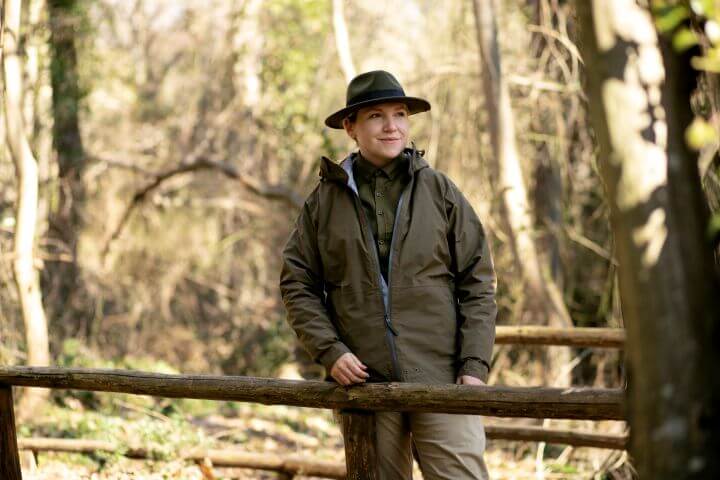
For those drawn to protecting animals in the wild, conservation offers meaningful jobs helping animals. With a focus on protecting habitats and species, both in the UK and abroad.
- Average salary: £18,000–£25,000 (though pay often depends on the size and funding of the project).
- Tasks include: Surveying wildlife, monitoring populations, rehabilitating injured animals, habitat restoration, and running awareness campaigns.
- Progression: With time, you could specialise in marine conservation, ornithology (birds), or large mammal research.
- Qualifications: Short courses in ecology, wildlife management, or conservation science help, alongside volunteering for conservation charities.
This is a competitive area, but many organisations value practical experience gained through volunteering and targeted online study.
Wildlife Photographer
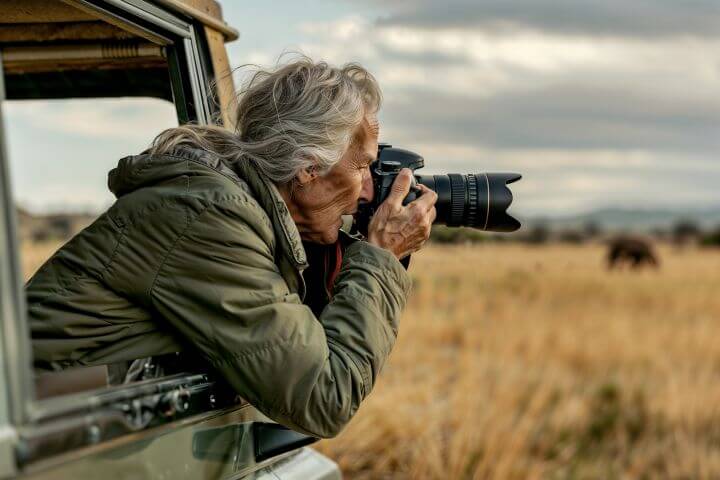
If you’re creative and love the outdoors, wildlife photography is a great way to combine artistry with a passion for animal care. Photographers capture images that raise awareness of species and their habitats.
- Average salary: Around £30,000 (freelance income varies greatly depending on portfolio and clients).
- Tasks include: Photographing wildlife in natural habitats, editing and selling images, producing educational or conservation content, and collaborating with magazines or NGOs.
- Progression: Grow a personal portfolio, sell work to stock agencies, teach workshops, or move into documentary and conservation media.
- Qualifications: No degree is needed. Success depends on your ability to capture compelling images and market them effectively. Many photographers are self-taught, though online courses for photography can help refine technical skills.
Wildlife photography is one of the more unusual careers working with animals, but it can be both fulfilling and influential. You have the ability to influence public opinion on conservation and animal welfare through powerful visual storytelling. It’s a career where success is built on persistence, technical skill, and a genuine passion for the outdoors.
Study Online
If you’re not ready to commit to one career yet, or you’re working out how to get into working with animals, studying from home is a flexible solution.
- Average salary impact: Increases employability across multiple animal-related jobs
- Progression: Build skills in areas like grooming, veterinary support, or wildlife care
- Qualifications: Accredited online diplomas in animal care, zookeeping, or dog grooming
With online learning, you can fit study around existing commitments, giving you the chance to prepare for jobs that work with animals without a degree without disrupting your current lifestyle.
At NCC Home Learning, our range of animal care courses online provides you with the knowledge and skills needed to succeed in this rewarding sector. Whether you’re interested in dog grooming, zookeeping, or veterinary support, our flexible, accredited courses are designed to fit around your schedule. Start today and take the first step towards a new future and your dream job.
Conclusion
Working with animals doesn’t always require attending university. There are many jobs that work with animals without a degree and with the right training, volunteering, or short courses, you can turn a passion into a career. Whether you want to support local pets or protect wildlife worldwide, there’s a path that suits you. Start your at home learning journey today!
FAQs
What jobs can I do with animals with no qualifications?
Jobs you can do with animals with no qualifications include dog walking, kennel assistant work, animal shelter volunteering, and pet sitting. These roles provide excellent entry points for individuals new to animal care.
What jobs can you get working with animals?
Jobs you can get working with animals range from dog groomer and dog trainer to veterinary support assistant, zookeeper, conservation worker, and wildlife photographer. Each path offers different ways to care for and support animals.
What animal jobs require a degree?
Animal jobs that require a degree include veterinary surgeon, marine biologist, and some senior conservation or research roles. These positions need advanced study due to the specialist knowledge involved.
Sources
RSPCA (2019) Facts and figures. https://www.rspca.org.uk/. Available at: https://www.rspca.org.uk/whatwedo/latest/facts [15.09.2025]
 Nick Cooper
 1
1 0
0 1
1